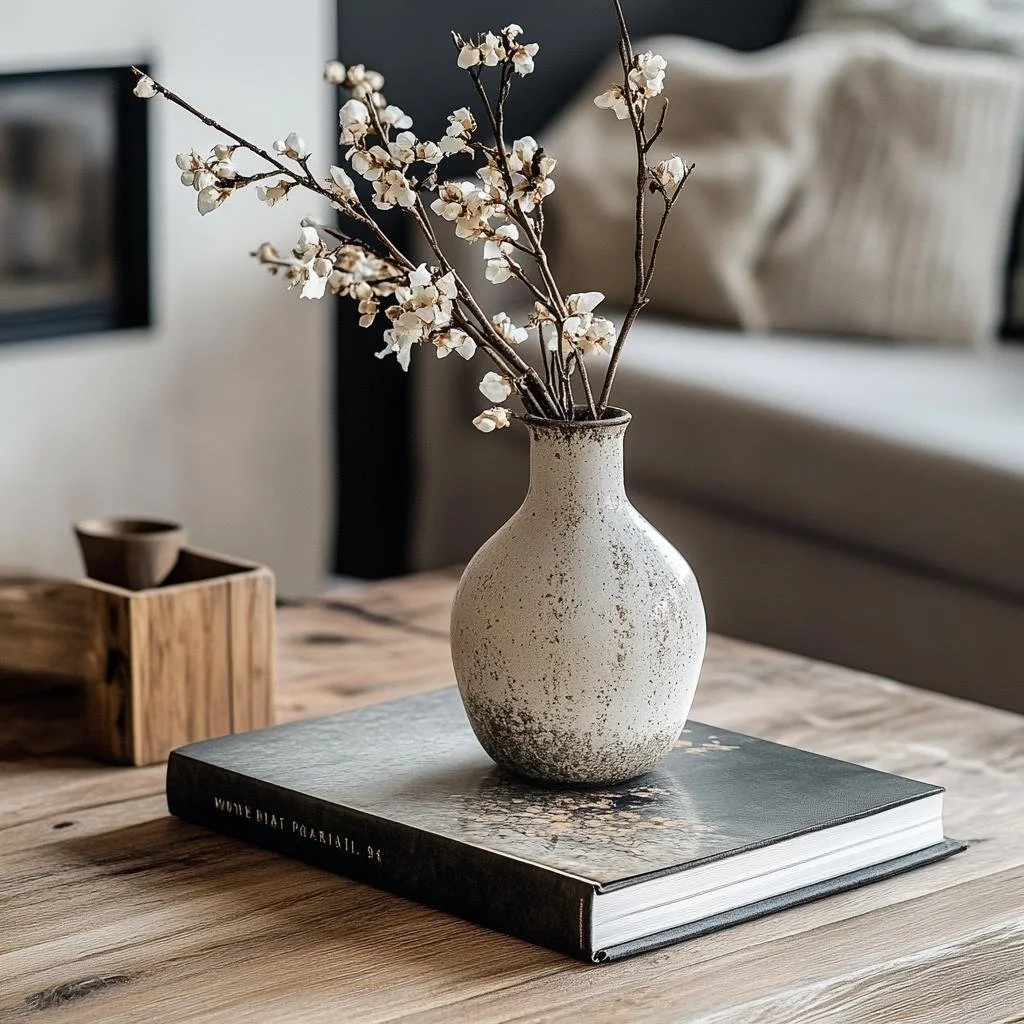
Simple ways to create a calmer, more intentional space that supports the way you want to live.
Home is more than the place we return to at the end of the day. It's where our mornings begin, where we spend time with the people we love, where we recharge and where so many of life's little moments happen.
Yet, with busy schedules, everyday responsibilities and endless things competing for our attention, our homes can sometimes start to feel more overwhelming than comforting.
Creating a home that feels good to live in doesn't require a complete makeover, expensive furniture or perfectly styled rooms. Often, it's about making small, thoughtful changes that bring more comfort, simplicity and meaning into your everyday surroundings.
Here are seven simple ways to start.
1. Start by understanding how you want your home to feel
Before changing anything, take a moment to think about how you want to feel when you walk through your front door.
Perhaps you want your home to feel peaceful and relaxing. Maybe you want it to be warm, welcoming and comfortable for family and friends. Or perhaps you simply want a space that feels less cluttered and easier to manage.
There is no single definition of a beautiful home. The most important thing is that it works for you and reflects the way you actually live.
Try this: Write down three words that describe how you want your home to feel. Use them as a guide when making decisions about your space.
2. Clear the things that no longer serve you
Clutter doesn't always mean having too many things. Sometimes it means having things that no longer have a purpose, a place or a reason to be in your home.
Start small. Choose one drawer, one shelf or one corner that you have been meaning to organize.
Ask yourself:
Do I use this regularly?
Does it make my daily life easier?
Do I genuinely enjoy having it?
Would I choose to bring it into my home today?
You don't need to get rid of everything or follow a strict minimalist lifestyle. The goal is simply to make room for the things that matter.
3. Create small routines that make everyday life easier
A home feels calmer when everyday tasks become easier to manage.
Simple routines can make a surprising difference. Making the bed in the morning, putting things back after using them, preparing a few essentials the night before or spending ten minutes tidying the living room can help prevent small tasks from becoming overwhelming.
The key is to create routines that fit naturally into your day rather than adding more pressure to your schedule.
A simple idea: Try a ten-minute evening reset. Put away loose items, clear the kitchen counter and prepare anything you need for the following morning.
4. Make space for little moments of joy
Not everything in your home needs to be practical. Some things can simply make you happy.
A favourite ceramic cup, fresh flowers on the dining table, soft lighting in the evening or a comfortable corner where you can enjoy a book can make ordinary moments feel special.
These small details don't need to cost much. What matters is choosing things that bring warmth and enjoyment into your everyday life.
Think about the moments you look forward to during the day and how your home can make them a little more enjoyable.
5. Choose quality and meaning over quantity
It's easy to feel that creating a beautiful home means constantly buying something new. But a more intentional approach is often about choosing less and choosing better.
Before purchasing something, consider whether it serves a purpose, fits your lifestyle and is something you will genuinely enjoy using.
This applies to everything from kitchen essentials and home accessories to storage solutions and everyday products.
A thoughtful home isn't filled with the latest trends. It's made up of things that have a place and a reason to be there.
6. Bring a little nature into your space
Natural elements can make a home feel warmer and more inviting.
You don't need a garden or a large collection of plants. A small indoor plant, fresh flowers, natural wood, linen fabrics or a bowl of seasonal fruit can bring a softer, more organic feeling into a room.
Whenever possible, make use of natural daylight. Open the curtains in the morning, let fresh air in and create spaces that feel connected to the outdoors.
Sometimes, the simplest changes make the biggest difference.
7. Remember that your home doesn't need to be perfect
Perhaps the most important thing is to let go of the idea that your home should always look a certain way.
Real homes are lived in. There are days when everything is organized and days when there are toys on the floor, dishes in the kitchen and laundry waiting to be folded.
A meaningful home isn't a perfectly styled photograph. It's a place where you feel comfortable, supported and able to enjoy your life.
Give yourself permission to create a home that works for your real everyday life, not an unrealistic picture of perfection.
A little more meaning in everyday life
Creating a home that feels good to live in is not a one-time project. It's an ongoing process of noticing what works, letting go of what doesn't and making thoughtful choices along the way.
You don't need to change everything at once. Start with one small corner, one simple routine or one decision that makes your day a little easier.
Over time, these little changes can transform not only how your home looks, but also how it feels to live in it.
Because sometimes, a happier home isn't about having more. It's about making more of what you already have.
Live simply. Choose thoughtfully. Find meaning in everyday life.
Ikigai Home
